# Preventing Downtime with Redundant Generator Systems
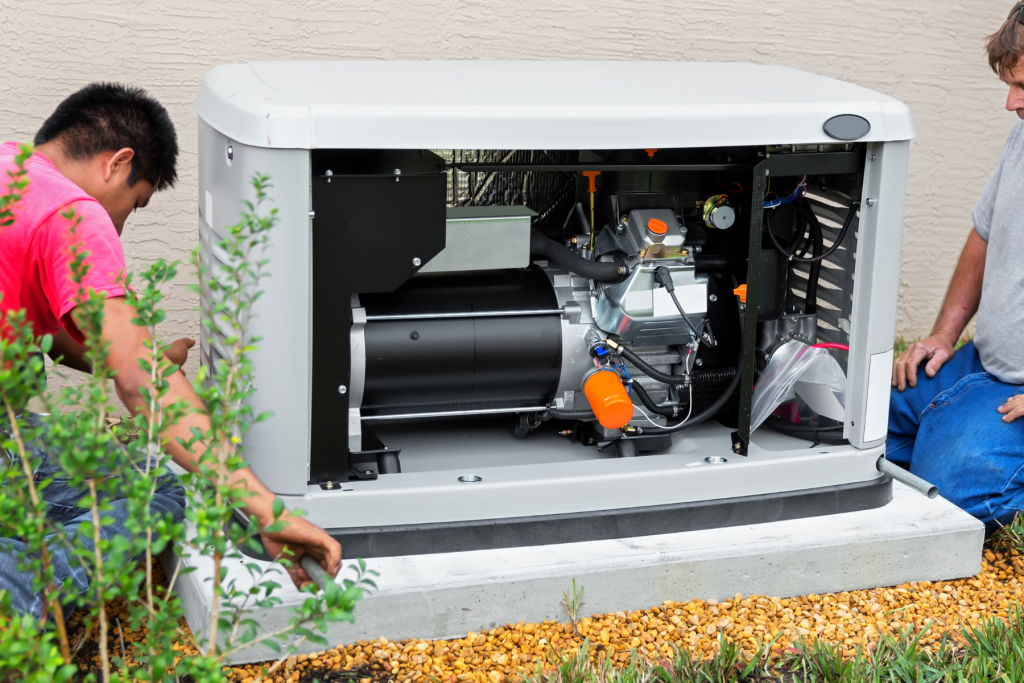
In the high-stakes world of industrial operations, a single point of failure is a ticking time bomb. Whether it's a data center holding the keys to a global network or a cold-storage facility protecting millions of dollars in inventory, relying on one backup source just isn't enough anymore.
The reality is that generators, like any machine, can fail to start or throw a fault code exactly when you need them. To kill this risk for good, modern facilities are moving toward redundancy. If you want your site to be truly bulletproof, looking into a custom-engineered setup from a specialist like [Able Power](https://ablepower.com.au/) is the first step toward achieving that "zero-downtime" status.
Redundancy is basically building "safety nets for your safety nets." It makes sure that if one engine fails to kick in, another is already standing by to catch the load.
**1. The "N" Math: How Much Backup is Enough?**
Engineers use the letter "N" to talk about the base amount of power your facility needs to stay alive. If your factory needs 500kVA to run, then $N = 500kVA$.
* **N (No Safety Net):** You have one 500kVA generator. If it fails to start or needs a mid-storm oil change, you’re in the dark.
* **N+1 (Simple Redundancy):** You have your required power plus one extra unit. For example, if you need 1000kVA, you might install three 500kVA units. If one breaks or needs service, the other two still carry the full 1000kVA load.
* **2N (Full Double-Up):** This is the gold standard. You have two completely independent sets of generators. Even if an entire electrical room floods or catches fire, the other side takes over without a flicker.
**2. Paralleling: Making Engines Talk**
A redundant system usually lives or dies by its Paralleling Switchgear. This is the tech that allows multiple generators to sync their frequencies and act as one massive power source.
* **Smart Load Sharing:** In a parallel setup, the generators share the work. If your load is light, the system might only run one engine to save fuel. As things get busy, the "brain" of the system automatically fires up the second and third units.
* **Service on the Fly:** The best part of paralleling is that you can pull one engine offline for a full service while the others keep the building live. You don't have to wait for a holiday or a weekend to fix a leak.
**3. Killing the Single Point of Failure**
True redundancy isn't just about having two engines; it’s about having two of everything. If both generators share one fuel line and that line gets a blockage, you’ve still got zero power.
To get "Tier-Grade" reliability, look at these points:
* **Separate Fuel Paths:** Each unit should ideally have its own day tank and supply line.
* **Independent Controls:** Every generator needs its own starting battery and control panel.
* **Redundant Cooling:** In massive setups, the cooling pumps and fans should be redundant so a snapped fan belt doesn't take down your whole backup plan.
**4. Multiple Automatic Transfer Switches (ATS)**
Even a perfect generator is useless if the power can’t get to your machines. In redundant systems, we often use multiple [Automatic Transfer Switches](https://www.gogopower.com.au/blogs/articles/what-are-the-basics-of-automatic-transfer-switching-ats-and-load-banking).
In a "2N" setup, a facility might have two separate electrical "paths" (Path A and Path B).
Each path has its own ATS and its own generator bank. Hospitals do this all the time—keeping the Life Safety branch (oxygen, monitors) totally separate from the General branch (lighting, offices). If one switch fails, the other path is still 100% hot.
**5. N+1 vs. 2N: Balancing the Budget**
Redundancy costs money, so you have to decide how much risk you can stomach.
* **N+1 is for Business Continuity:** This is perfect for manufacturing and warehouses. It protects you from mechanical failure or scheduled maintenance. It’s cost-effective because you're only buying one "spare."
* **2N is for Mission Critical:** This is for data centers and hospitals. It protects against catastrophic human error or major electrical fires. It’s expensive because you’re doubling your entire infrastructure budget.
**6. Load Shedding: Electrical Triage**
If you lose a generator and the remaining ones are struggling to keep up, the [system uses Load Shedding](https://www.circuitlogic.com.au/blog/how-load-shedding-works). This is an automated "triage" for your electricity.
The system will intentionally cut power to non-essential stuff—like the employee gym or extra AC units—to make sure the "must-run" machines get 100% of the power. This intelligence prevents the whole generator bank from overloading and tripping offline.
**7. The "Pull the Plug" Test**
A redundant system is only real if it actually works when the pressure is on. The biggest reason these systems fail is "stale" logic—settings get changed over time, or new gear is added that unbalances the load.
Monthly Load Bank Testing is non-negotiable. You need to simulate a total power failure and watch how the units sync and share. If the system can't handle a "surprise" failure during a test, it’s not going to handle one during a real storm.
**Summary**
Downtime is a luxury no one can afford anymore. Redundant generator systems turn a potential disaster into a "non-event." By moving from a single unit to a paralleled N+1 or 2N setup, you aren't just buying hardware—you're buying the certainty that your business stays live, no matter what.